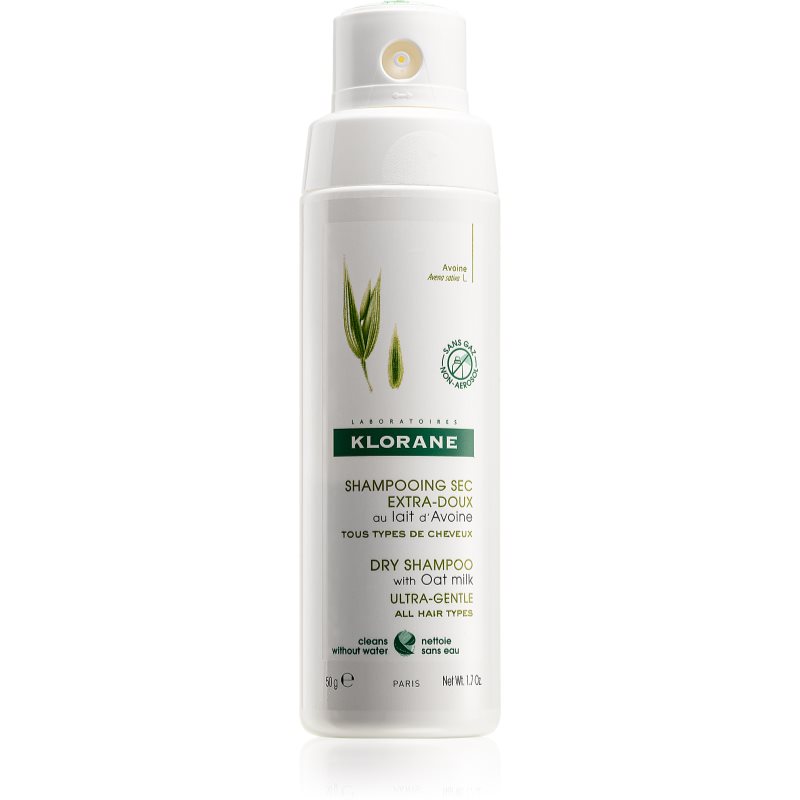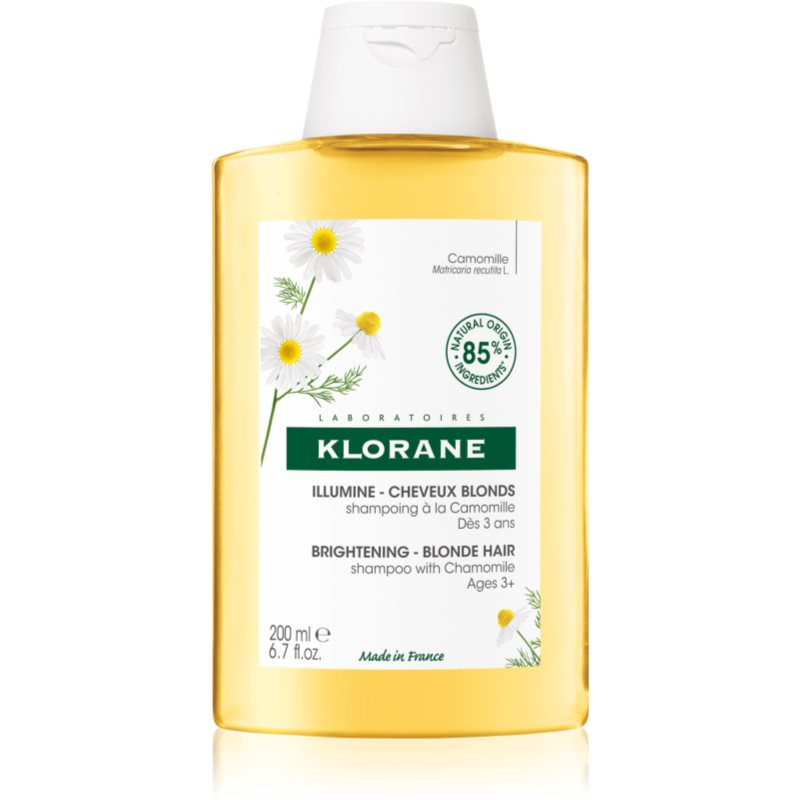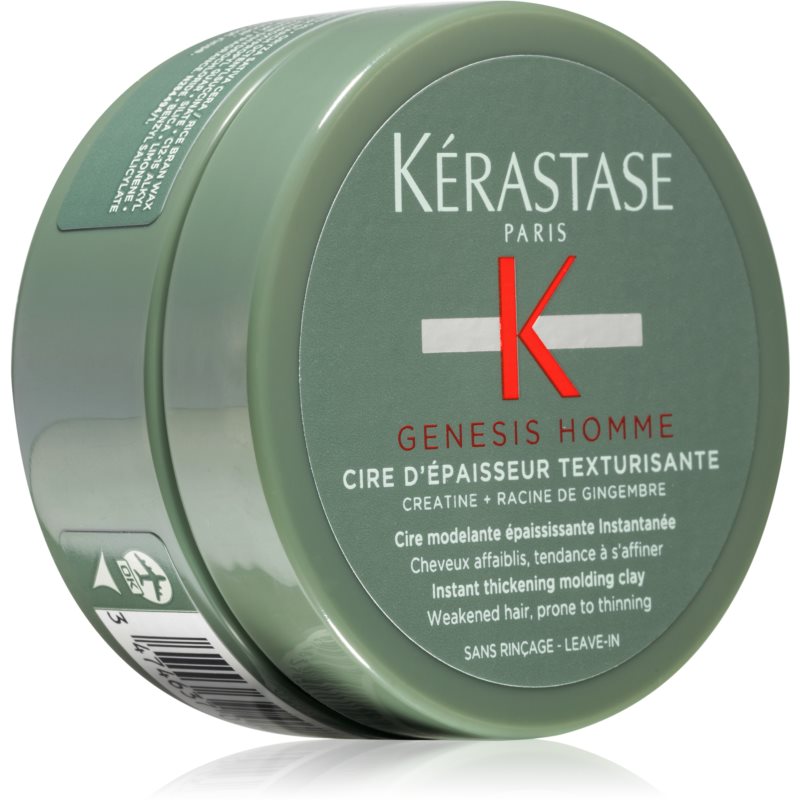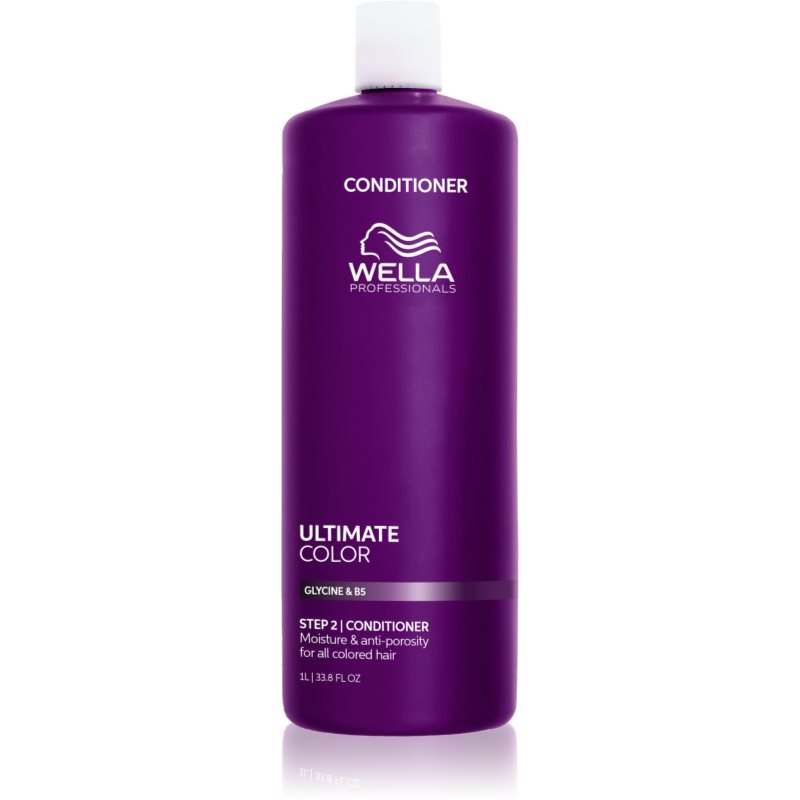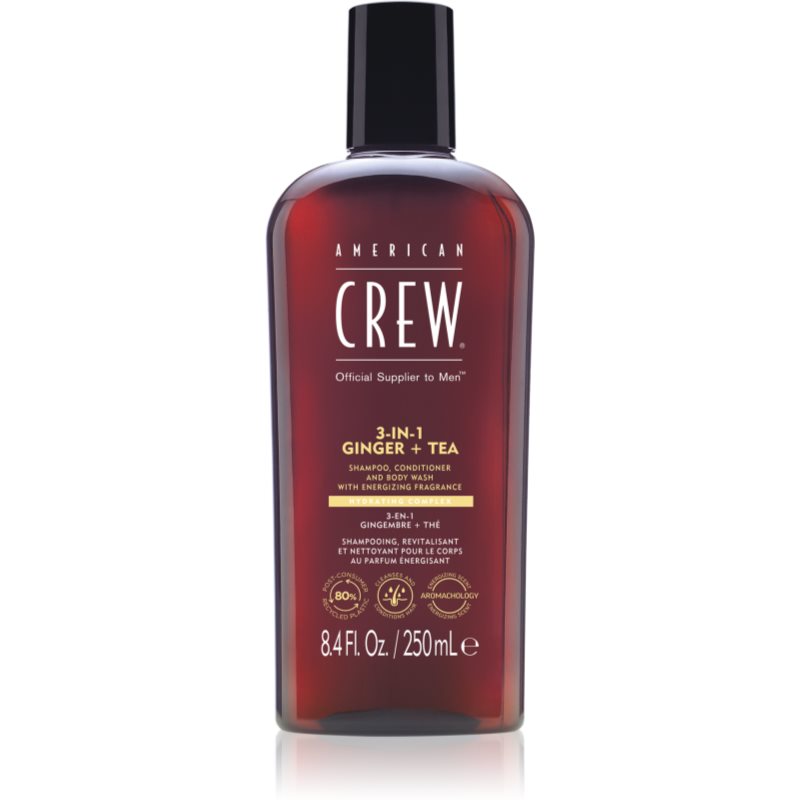
Haircare products are essential for maintaining healthy, beautiful hair, catering to a diverse audience that includes individuals with various hair types, textures, and concerns. From shampoos and conditioners to treatments and styling products, the haircare category encompasses a wide range of items designed to cleanse, nourish, and style hair. Whether you have straight, wavy, curly, or coily hair, there are specific products tailored to meet your unique needs, helping you achieve your desired look while promoting overall hair health.
When selecting haircare products, several key factors should be considered to ensure you choose the right items for your hair type and concerns. First, it’s crucial to identify your hair type, as this will guide you in selecting products that cater specifically to your needs. For instance, fine hair may benefit from lightweight formulas that add volume without weighing it down, while thick or curly hair often requires richer, more moisturizing products to combat dryness and frizz. Additionally, consider any specific hair concerns you may have, such as color-treated hair, damage from heat styling, or scalp issues like dandruff. Ingredients play a significant role in product effectiveness, so look for beneficial components like natural oils, proteins, and vitamins that can enhance hair health.
Another important aspect to consider is the formulation of the products. Many haircare items are available in sulfate-free, paraben-free, or silicone-free options, which can be gentler on the hair and scalp. Understanding the benefits and drawbacks of these formulations can help you make informed choices. For example, while sulfates are effective cleansers, they can strip natural oils from the hair, making sulfate-free options preferable for those with dry or sensitive scalps. On the other hand, silicones can provide a smooth finish but may lead to buildup over time, necessitating the use of clarifying shampoos.
When it comes to the advantages and disadvantages of different product variations, it’s essential to recognize that not all products work the same for everyone. For instance, while leave-in conditioners can provide extra moisture and protection, they may weigh down fine hair if used excessively. Similarly, oils and serums can add shine and reduce frizz but should be applied sparingly to avoid greasiness. Understanding your hair’s unique needs will help you navigate these variations effectively.
To maximize the benefits of your haircare products, proper usage and maintenance are vital. Always follow the instructions provided on the product labels, as they are designed to help you achieve the best results. For shampoos, it’s generally recommended to apply to wet hair, lather, and rinse thoroughly, while conditioners should be left on for a few minutes to allow for deep penetration. Regularly cleansing your hairbrushes and combs can also prevent product buildup and ensure that your styling tools remain effective.
In addition to using the right products, consider incorporating complementary items into your haircare routine. For example, using a heat protectant spray before styling can safeguard your hair from damage caused by heat tools. Similarly, incorporating a weekly deep conditioning treatment can provide an extra boost of hydration, especially for those with dry or damaged hair. Experimenting with different combinations of products can help you discover what works best for your hair, allowing you to create a personalized routine that enhances your hair’s natural beauty.
Ultimately, the key to effective haircare lies in understanding your hair’s unique characteristics and needs. By selecting the right products, using them correctly, and maintaining a consistent routine, you can achieve healthy, vibrant hair that reflects your personal style. Embrace the journey of discovering what works best for you, and enjoy the confidence that comes with beautiful hair.
show more text