Mobility & Accessibility products are essential tools designed to enhance the quality of life for individuals with mobility challenges, including the elderly, people with disabilities, and those recovering from injuries. These products range from wheelchairs and walkers to mobility scooters and stairlifts, all aimed at promoting independence and facilitating easier movement in various environments. Understanding the specific needs of the user is crucial when selecting the right mobility aid, as each product serves a unique purpose and caters to different levels of mobility.
When choosing a mobility or accessibility product, several key factors should be considered. First, assess the user’s specific mobility needs. For instance, a person who requires assistance for short distances may benefit from a walker, while someone needing to travel longer distances might find a mobility scooter more suitable. Additionally, consider the environment where the product will be used. Indoor spaces may require compact and lightweight options, while outdoor use may necessitate more robust and durable designs.
Materials play a significant role in the functionality and comfort of mobility aids. Look for products made from lightweight yet sturdy materials, such as aluminum or high-grade plastic, which can provide both durability and ease of transport. Comfort features, such as padded seats or ergonomic handles, can greatly enhance the user experience, making it essential to prioritize these aspects during selection. Furthermore, consider the weight capacity of the product to ensure it can safely accommodate the user.
Different variations of mobility products come with their own advantages and disadvantages. For example, manual wheelchairs are often lighter and more affordable but require physical effort to operate, while powered wheelchairs offer ease of use but can be heavier and more expensive. Similarly, mobility scooters provide excellent outdoor mobility but may not be as maneuverable in tight indoor spaces. Understanding these trade-offs can help users make informed decisions that best suit their lifestyle and needs.
Practical tips for using mobility and accessibility products include familiarizing oneself with the device before use. This can involve practicing maneuvers in a safe environment to build confidence. Regular maintenance is also crucial; check for any loose parts, ensure wheels are properly inflated, and clean the product to prolong its lifespan. For powered devices, keep the battery charged and follow manufacturer guidelines for care.
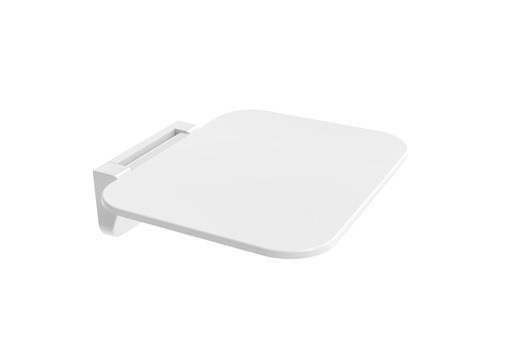
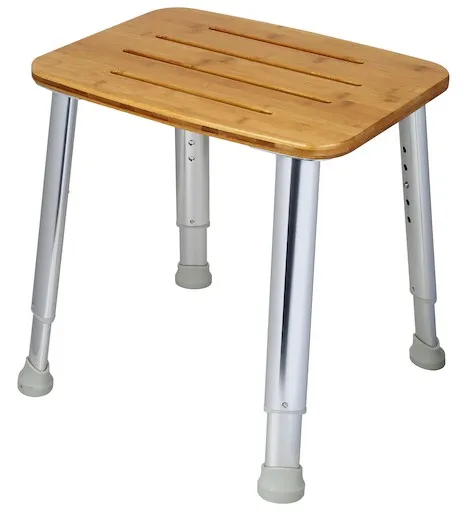
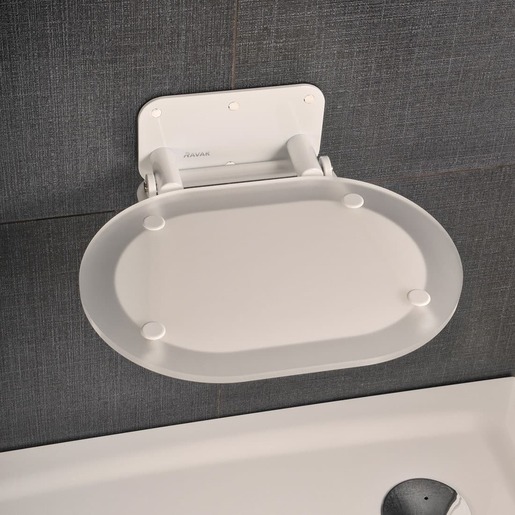
To maximize the benefits of mobility aids, consider combining them with other supportive products. For instance, using a mobility scooter alongside a portable ramp can facilitate easier access to homes or vehicles. Additionally, incorporating assistive devices like grab bars or shower chairs can enhance safety and independence in daily activities.
In conclusion, selecting the right mobility and accessibility product requires careful consideration of the user’s needs, the environment, and the specific features of each product. By understanding the advantages and disadvantages of various options and following practical tips for use and maintenance, individuals can significantly improve their mobility and overall quality of life. Embracing these tools not only fosters independence but also encourages a more active and fulfilling lifestyle.
show more text