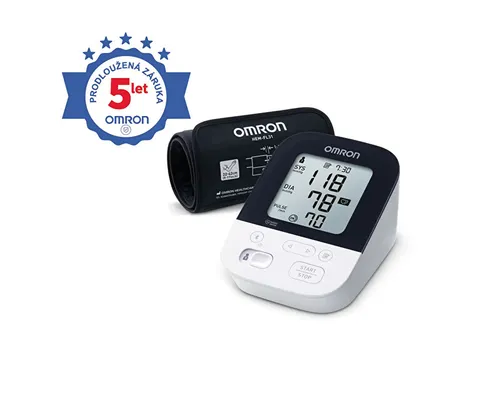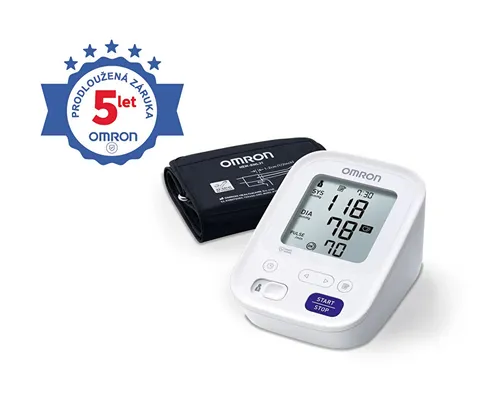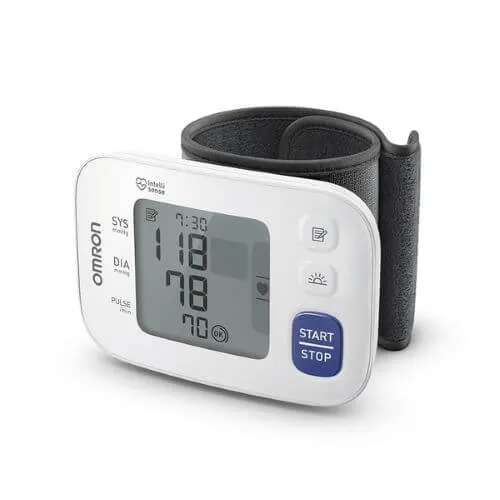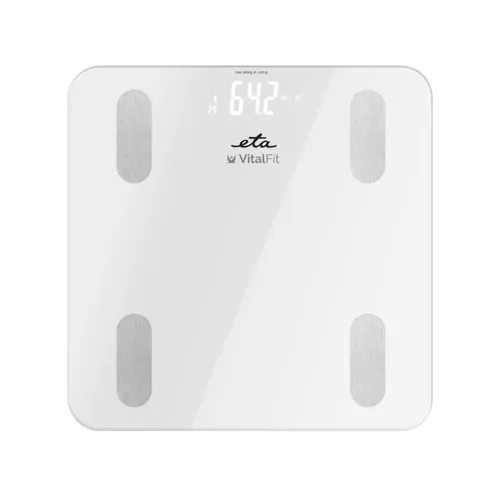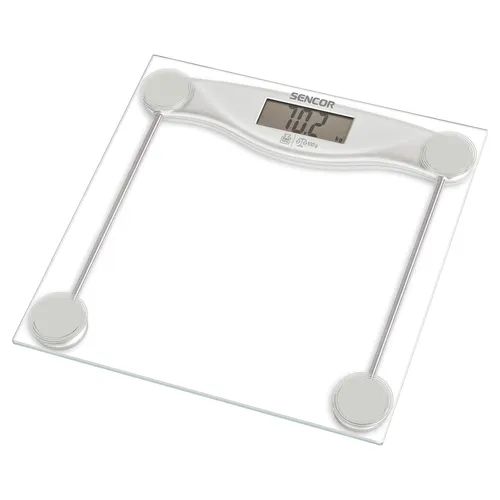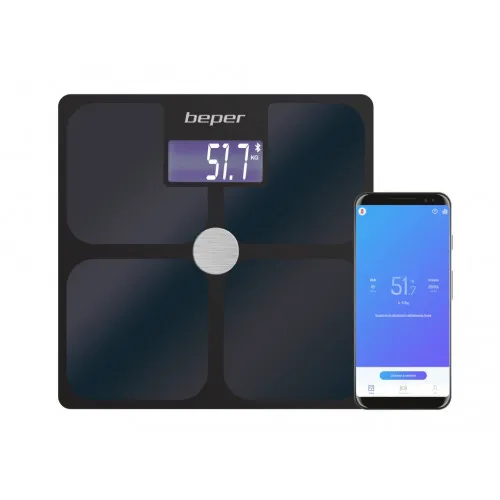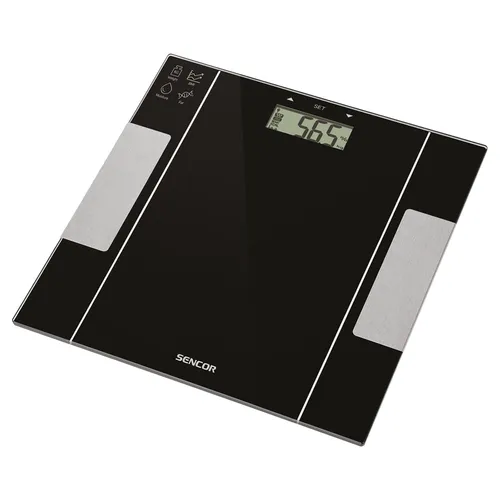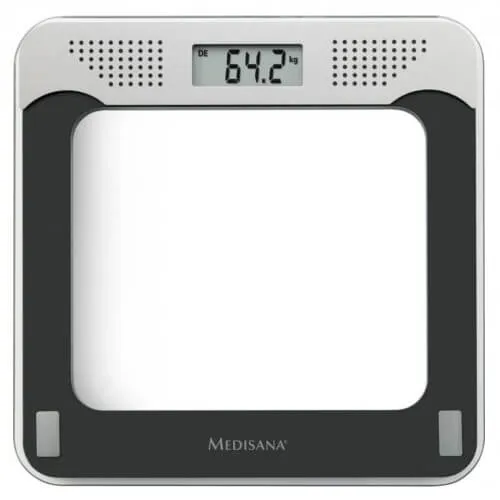
Biometric monitors are advanced devices designed to track and analyze various physiological parameters, providing users with valuable insights into their health and wellness. These products cater to a wide range of individuals, from fitness enthusiasts seeking to optimize their workouts to those managing chronic health conditions who require regular monitoring of vital signs. By measuring metrics such as heart rate, blood pressure, oxygen saturation, and even sleep patterns, biometric monitors empower users to take control of their health and make informed decisions.
When selecting a biometric monitor, several key factors should be considered to ensure you choose the right product for your needs. First, assess the specific metrics you wish to track. Some monitors focus on basic parameters like heart rate and blood pressure, while others offer comprehensive features, including ECG readings and sleep analysis. Understanding your health goals will guide you in selecting a device that aligns with your requirements.
Another important consideration is the device's accuracy and reliability. Look for products that have been clinically validated or certified by relevant health authorities. This ensures that the readings you receive are trustworthy and can be used to inform your health decisions. Additionally, consider the ease of use; a user-friendly interface and clear display can significantly enhance your experience, especially for those who may not be tech-savvy.
The materials and design of biometric monitors also play a crucial role in their functionality and comfort. Opt for devices made from high-quality, hypoallergenic materials, especially if you plan to wear them for extended periods. Comfort is essential, particularly for wrist-worn monitors, as a poorly fitting device can lead to inaccurate readings and discomfort during use. Furthermore, consider the battery life and charging options, as a device that requires frequent charging may disrupt your monitoring routine.
While biometric monitors offer numerous advantages, it is essential to be aware of their limitations. For instance, some devices may not provide real-time data or may require manual syncing with a smartphone app for comprehensive analysis. Additionally, variations in individual physiology can lead to discrepancies in readings, so it is crucial to interpret the data within the context of your overall health.
To maximize the benefits of your biometric monitor, proper usage and maintenance are vital. Regularly calibrate your device according to the manufacturer's instructions to ensure accuracy. Clean the sensors and straps frequently to maintain hygiene, especially if you use the monitor during workouts. It is also advisable to keep the software updated, as manufacturers often release updates that enhance functionality and security.
Combining your biometric monitor with other health and fitness tools can further enhance your wellness journey. For example, integrating a fitness app can help you track your physical activity alongside your biometric data, providing a more comprehensive view of your health. Additionally, consider pairing your monitor with a balanced diet and regular exercise regimen to achieve optimal results.
In conclusion, biometric monitors are invaluable tools for anyone looking to improve their health and wellness. By carefully considering the features, accuracy, and comfort of the device, you can select a product that meets your specific needs. With proper usage and maintenance, along with a holistic approach to health, you can leverage the insights gained from your biometric monitor to lead a healthier, more informed life.
show more text