Respiratory care products play a crucial role in managing and improving respiratory health for individuals with various conditions, including asthma, chronic obstructive pulmonary disease (COPD), and other respiratory disorders. These products are designed for a wide range of users, from patients requiring daily management of their conditions to caregivers and healthcare professionals seeking effective solutions for their patients. The primary goal of respiratory care products is to enhance breathing, ensure adequate oxygenation, and provide relief from respiratory symptoms.
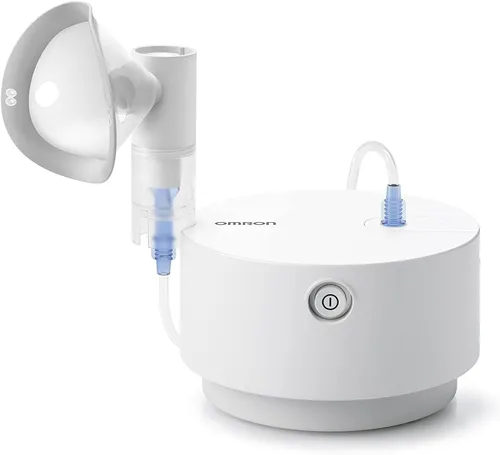
When selecting respiratory care products, several key factors should be considered to ensure the best fit for individual needs. First, it is essential to evaluate the specific condition being addressed. For instance, nebulizers are ideal for delivering medication directly to the lungs, while inhalers are more suitable for quick relief of asthma symptoms. Understanding the intended use will guide you in choosing the right device. Additionally, consider the product's ease of use, especially for those who may have limited dexterity or cognitive challenges. Features such as portability, battery life, and noise levels can significantly impact user experience.
Material quality is another critical aspect to consider. Products made from durable, hypoallergenic materials are preferable, as they reduce the risk of irritation and ensure longevity. For devices that require regular cleaning, such as nebulizers and CPAP machines, look for models that are easy to disassemble and clean. This will not only enhance the product's lifespan but also ensure optimal performance and hygiene.
Different variations of respiratory care products come with their own advantages and disadvantages. For example, portable nebulizers offer convenience for on-the-go use, but they may have a smaller medication capacity compared to stationary models. Similarly, while CPAP machines are effective for sleep apnea treatment, they can be bulky and require a power source, which may not be ideal for travel. Understanding these trade-offs will help you make an informed decision based on your lifestyle and specific needs.
To maximize the effectiveness of respiratory care products, proper usage and maintenance are essential. Always follow the manufacturer's instructions for operation and cleaning. Regularly check for any signs of wear or damage, especially in masks and tubing, as these can affect performance and hygiene. It is also advisable to keep a log of usage patterns and symptoms, which can provide valuable insights for healthcare providers during follow-up appointments.
Combining respiratory care products with other health management strategies can further enhance their effectiveness. For instance, incorporating a regular exercise routine, as recommended by healthcare professionals, can improve lung function and overall respiratory health. Additionally, maintaining a clean environment by reducing allergens and irritants can complement the use of respiratory devices, leading to better outcomes.
In conclusion, selecting the right respiratory care products involves careful consideration of individual needs, product features, and maintenance requirements. By understanding the various options available and how to use them effectively, users can significantly improve their respiratory health and quality of life. Whether you are managing a chronic condition or seeking preventive measures, investing time in research and consultation with healthcare providers will ensure that you choose the best products for your respiratory care needs.
show more text